
BeforeAfter
Object removal
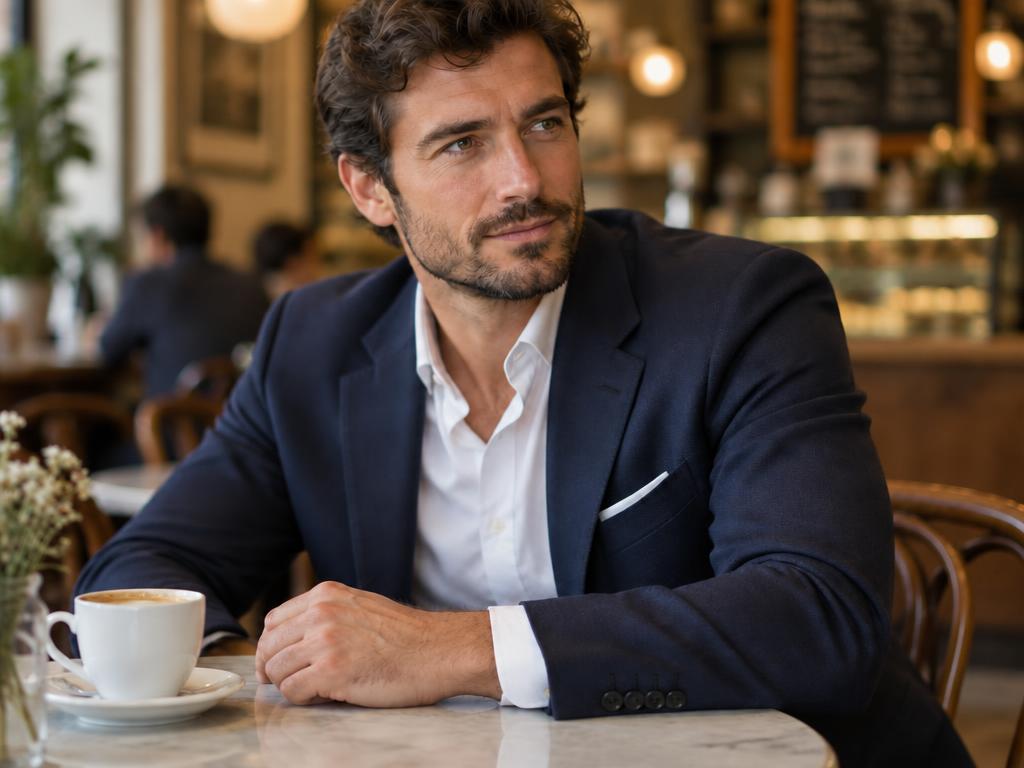
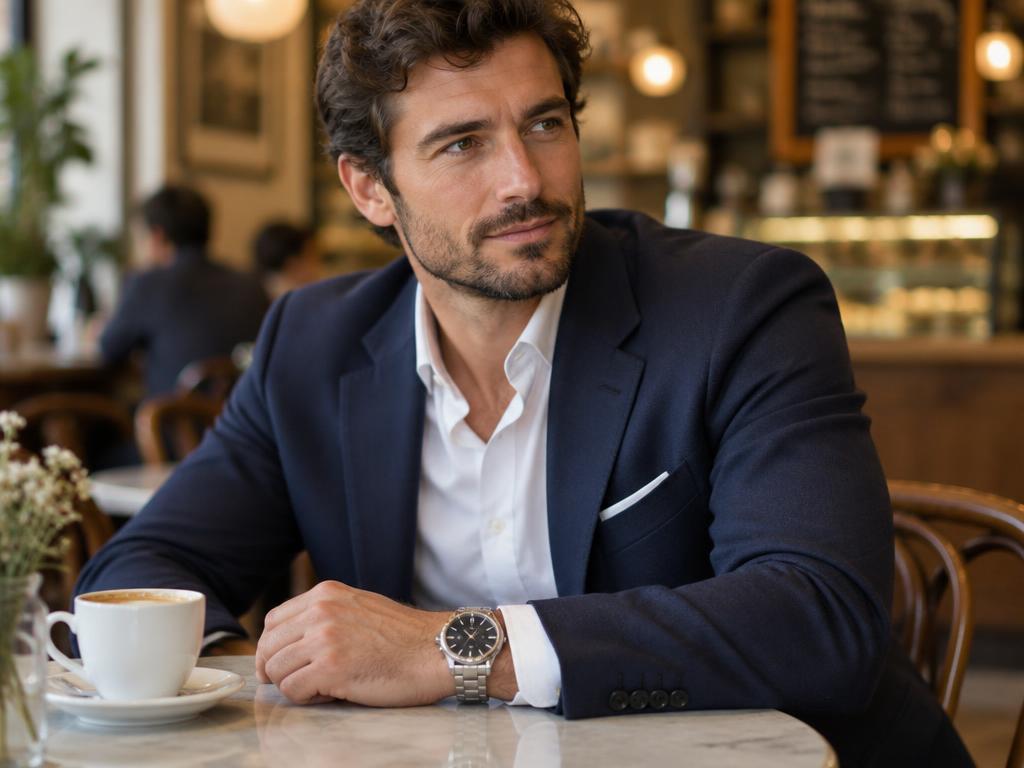
“Remove the watch from his left wrist and restore natural skin and shirt cuff there. Keep everything else — pose, clothes, background, lighting — exactly unchanged.”
Powered by ChatGPT Images 2.5 · Flare
Upload one photo, type the edit in plain English — or mark the exact spot with an annotation. No layers, no masks, no learning curve, and no software to install. Remove objects, swap backgrounds, restyle, retouch — in seconds.
Free credits on sign-up · No credit card required
Every card drops a proven instruction straight into the editor above. Fill in the bracketed part and go — or use it as a starting point and rewrite it your way.
Drag the handle on each pair. Every result came from this editor, unretouched — the exact instruction used is printed under it, so you can steal it for your own photo.
“Remove the watch from his left wrist and restore natural skin and shirt cuff there. Keep everything else — pose, clothes, background, lighting — exactly unchanged.”
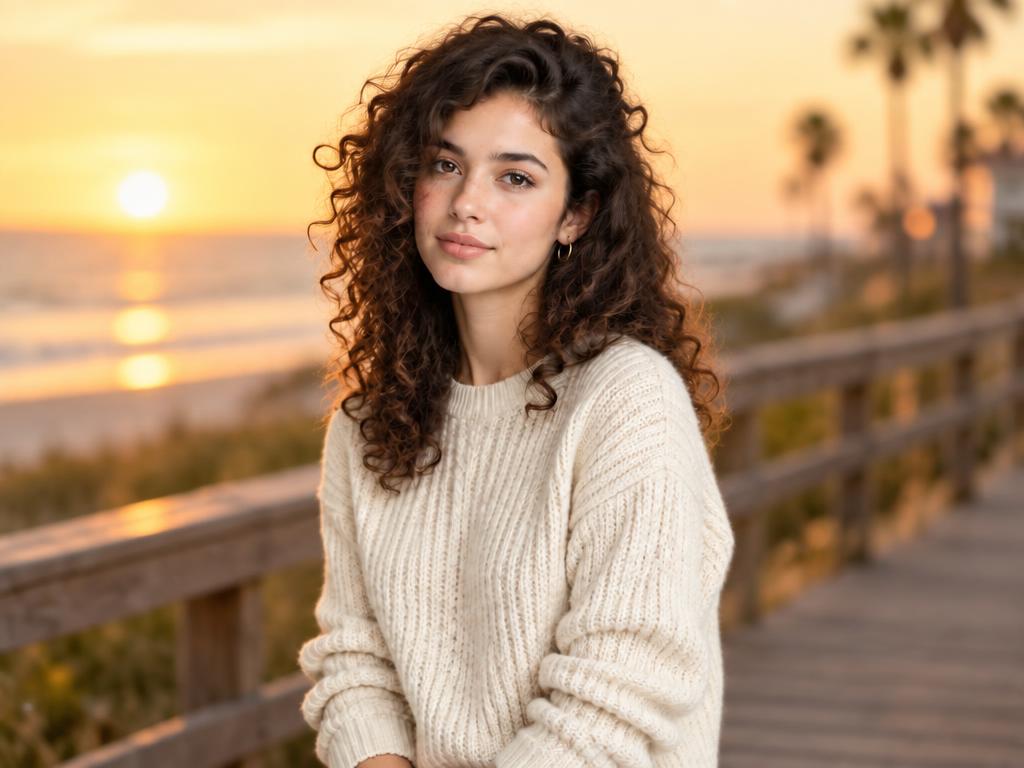
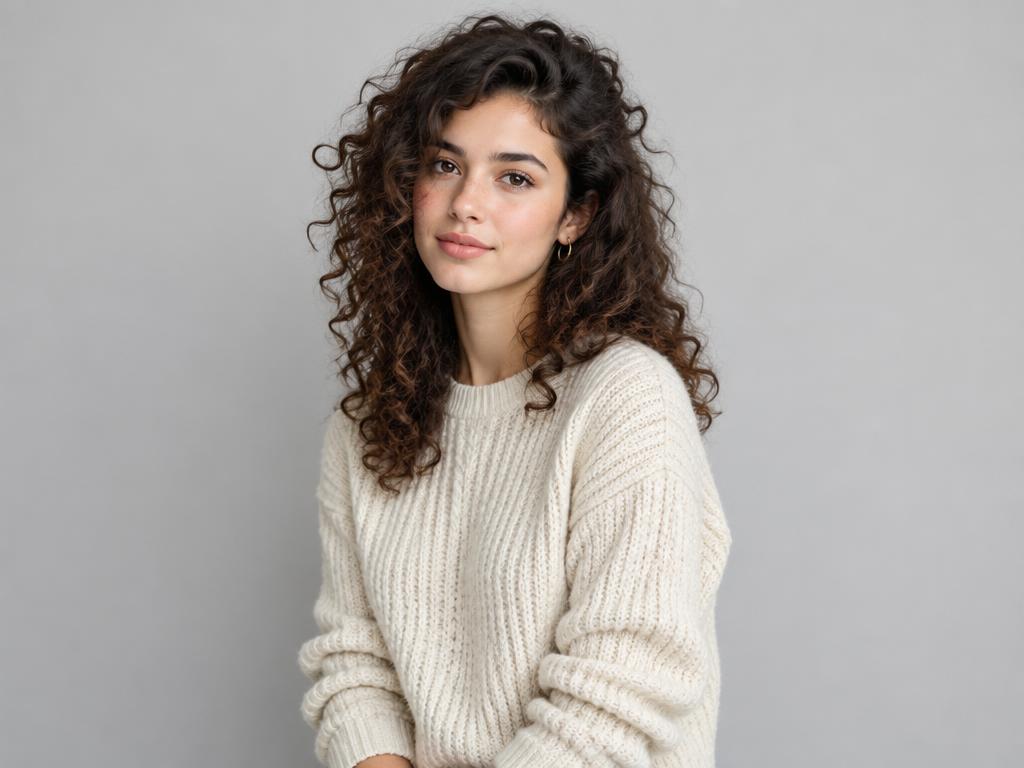
“Replace the background with a golden-hour beach boardwalk, softly blurred. Keep the woman, her pose, her sweater, and the lighting on her exactly unchanged.”
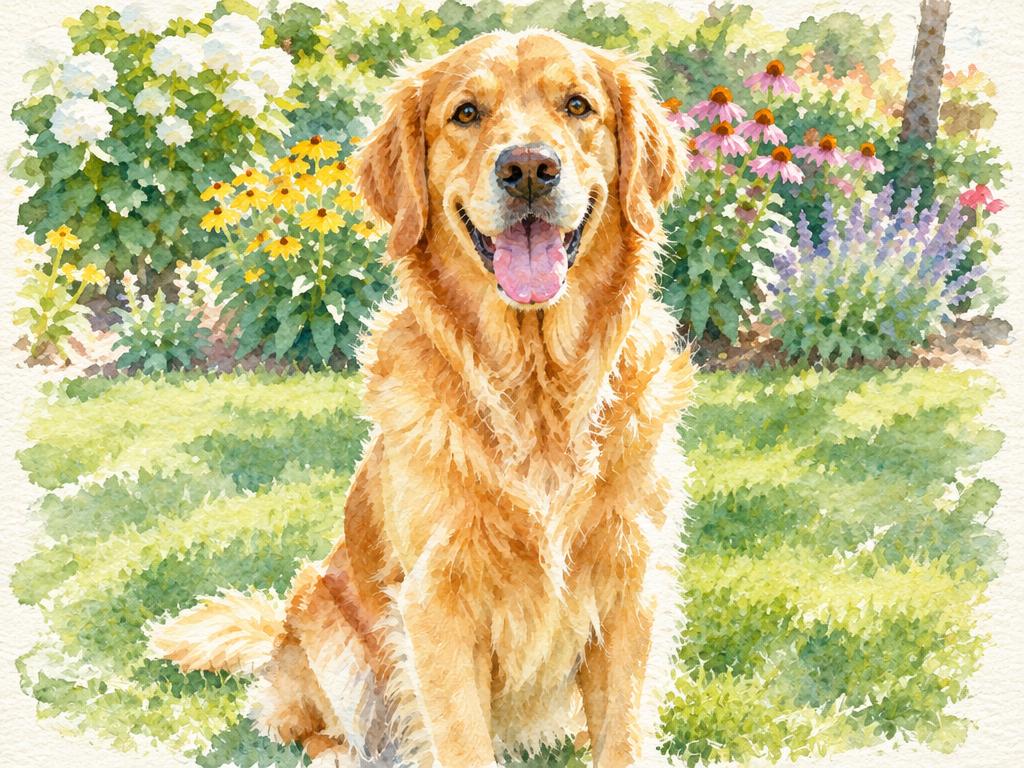
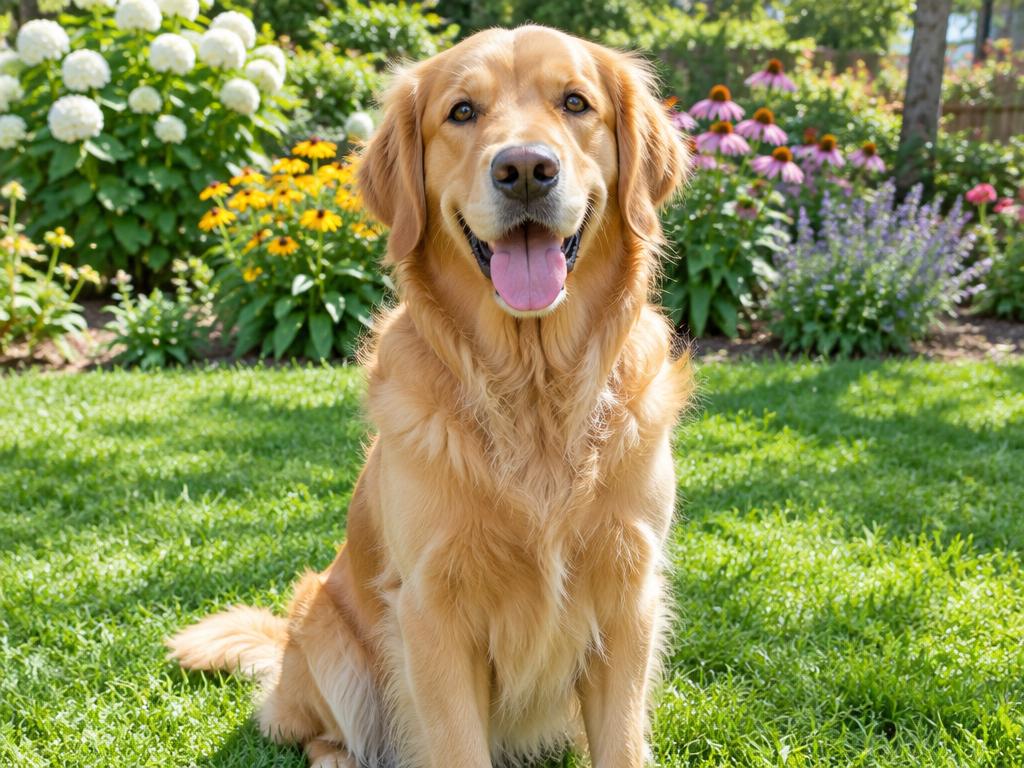
“Turn this photo into a hand-painted watercolor illustration — visible brush strokes, soft color washes, paper texture. Keep the dog’s pose and the composition.”
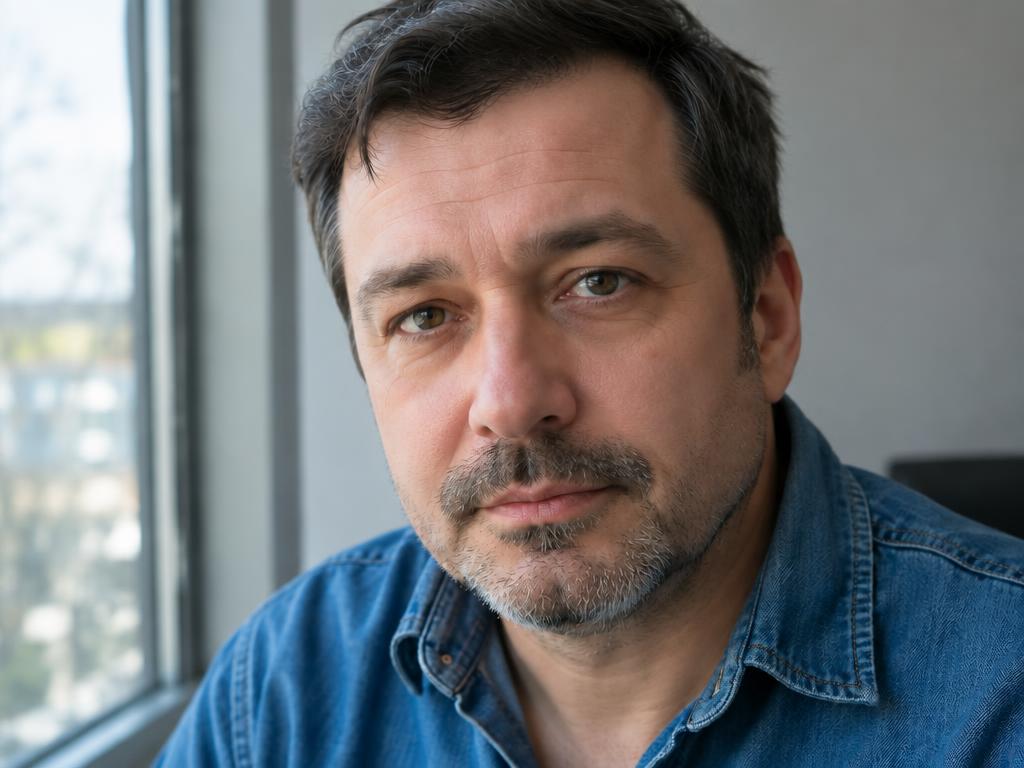
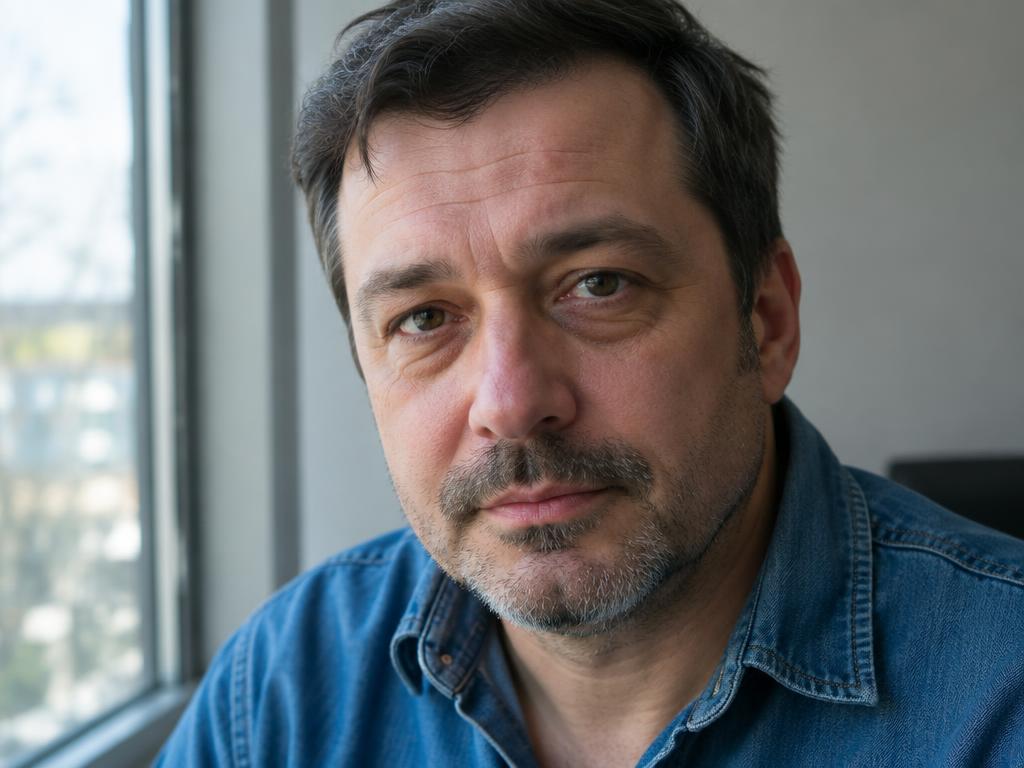
“Gently retouch the skin — even out the tone, reduce the under-eye shadows and remove small blemishes. Keep his expression, features, stubble, and the window lighting exactly unchanged.”
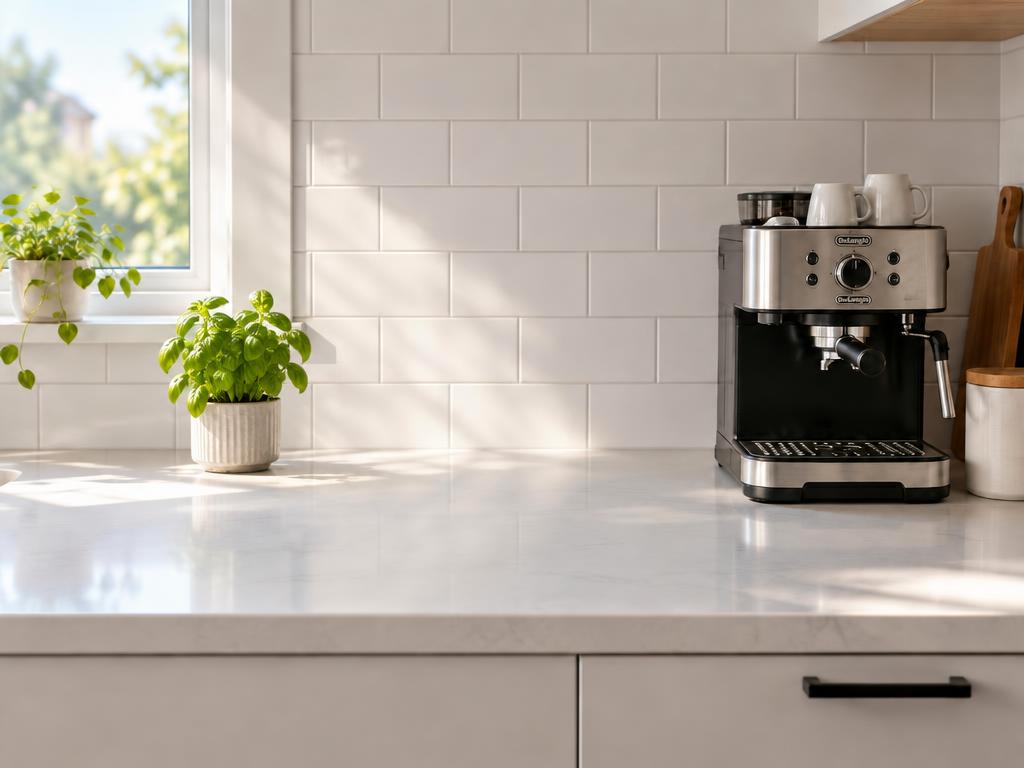
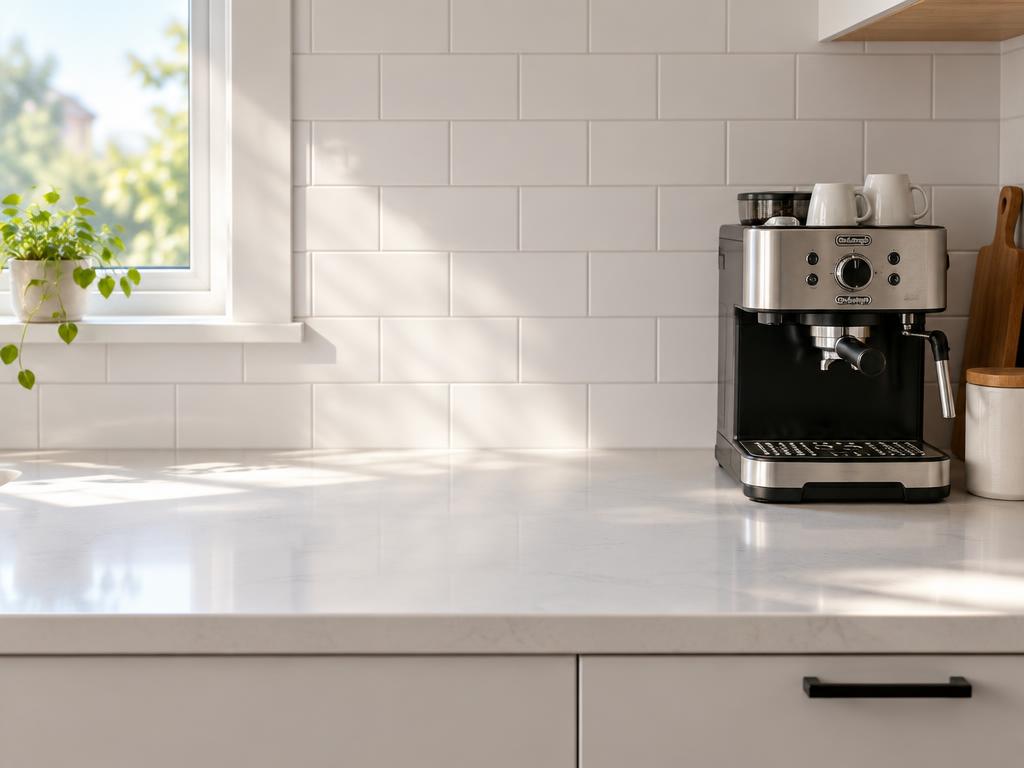
“Add a small potted basil plant on the left side of the counter, matching the morning light and depth of field. Keep everything else exactly unchanged.”
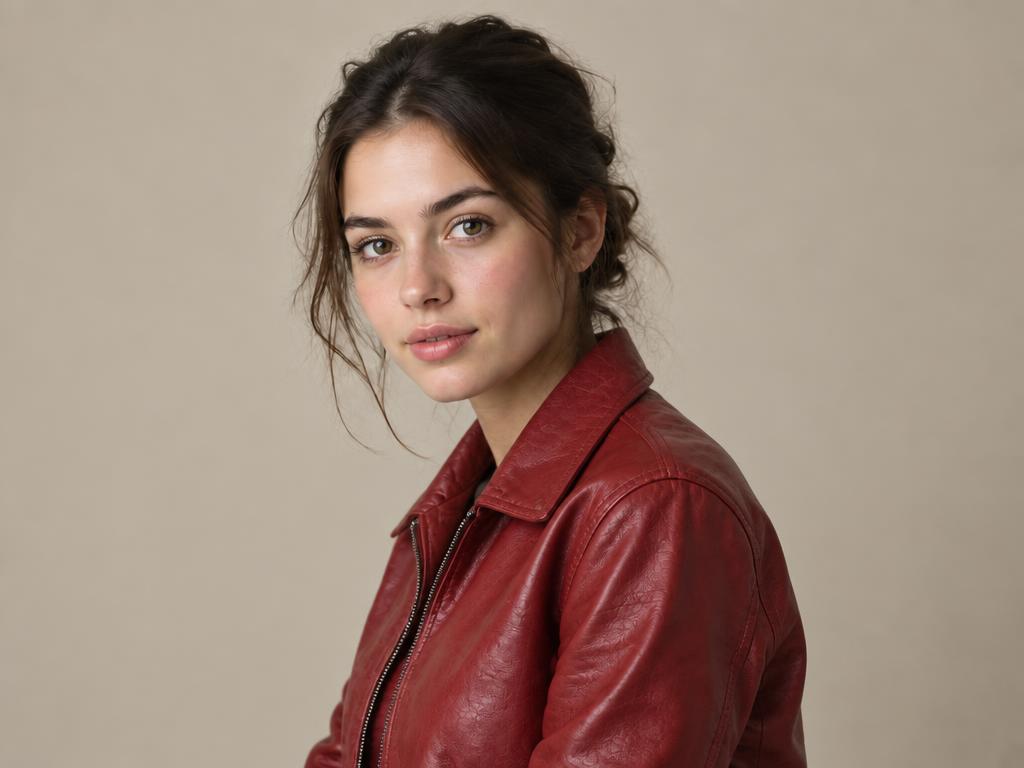
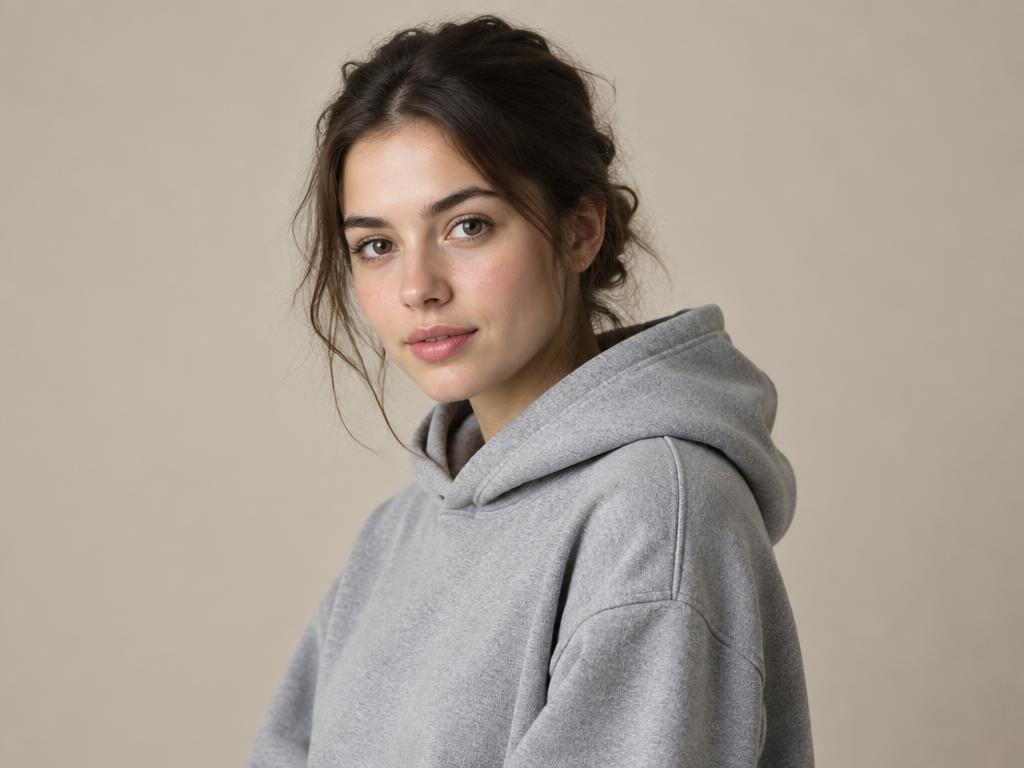
“Change the gray hoodie to a red leather jacket with natural folds. Keep her face, hair, pose and the background identical.”
An AI image editor with prompt input changes an existing photo according to a written instruction — instead of manual selections, layers, or masks. It is not a text-to-image generator: it edits, it does not reinvent. The model rebuilds only what your instruction calls for, while the subject, the framing, and the identity of the photo stay anchored to the original.
GPT Images adds a second control channel on top of the prompt: annotation. Scribble over the object to remove, or pin a numbered marker where an element should land — the model reads the markup as the edit region and keeps the rest anchored to your photo. The prompt says what to do; the annotation says where. Both live in the same form as the generator, so an edit can become a reference for the next one without leaving the page.
One photo, one sentence, three steps.
Drop in a portrait, product shot, or room — one photo per edit keeps the model focused on a single subject. PNG, JPG, or WebP, up to 20MB.
Type the edit in plain English, click a recipe to autofill one, or open the markup editor and scribble a mask where the change belongs. Annotations and instructions combine freely.
Watch the before/after, iterate with another instruction or annotation, then download. Every version is kept in your assets, and any result can become the reference for the next edit.
One edit per generation. “Remove the sign and fix the sky” splits the model’s attention; run two passes instead — each is seconds and one credit, and the second pass starts from the first result.
Name the target precisely. “The man in the red jacket on the left” beats “the guy”. Ambiguity is what makes edits wander — anchor the noun and the location, and the model stops guessing.
Annotate when position matters. The prompt describes what; a mask defines where. For removals and small-region fixes, marking the spot keeps the rest of the photo much closer to the original than a paragraph of directions.
Same editor, four everyday jobs — each card pairs a scenario with the edit that solves it.
Swap cluttered backgrounds for studio backdrops, remove props, add garnish — listings that look reshot, not retouched. One base photo becomes a whole catalog of placements.
Remove lamps, cords, and clutter from room photos, or stage an empty corner with a plant. Buyers read clean rooms as bigger rooms, and each fix takes seconds.
Gentle skin retouching and outfit changes that keep the person unmistakably themselves — the instruction limits the edit, so identity is never at risk.
Restyle campaign photos, adapt one shot to many placements, and fix the detail Legal flagged at 6pm. Iterations are one credit and seconds each, so feedback loops shrink to minutes.
Not unless you ask it to. Instructions like a background swap or an accessory removal keep the person anchored to the original — pose, face, and expression carry over. For sensitive retouching, say exactly what may change, e.g. “smooth skin texture only”. Annotations help here too: mark the background, never the face.
No. Every download is clean, full resolution, and watermark-free on every plan including free credits. Print them, ship them, invoice for them.
PNG, JPG, JPEG, or WebP up to 20MB, one photo per edit. Output matches your chosen aspect ratio, or the photo’s original framing with “auto” — portrait, landscape, and square are all covered by the fifteen presets. HEIC photos from iPhones convert automatically on upload.
No. Your upload is used only to produce the edit and stays in your account for your own iteration. We never sell, share, or train on your images, and uploads travel over encrypted connections.
Failed renders refund automatically — the credit returns to your balance the moment the task fails, no ticket needed. Credits from packs never expire, so a failed experiment costs nothing at all.
No layers, no masks, no learning curve. Photoshop gives you a thousand tools and asks you to learn them; this editor asks for one sentence instead. For the few jobs that need pixel-level masking, annotations cover the gap.
Yes. Every plan, including free credits, allows commercial use of your edits — listings, ads, client work. You must own the rights to the photo you upload, and you keep ownership of the result. Keep the edit in your assets as a record of how it was made.
Free credits on sign-up. No credit card required.