
Flare — the fast gear
An image every five to ten seconds at the lowest per-image cost on the platform. It is the default for drafts, variations, and anything you will iterate on — including every free-credit render.

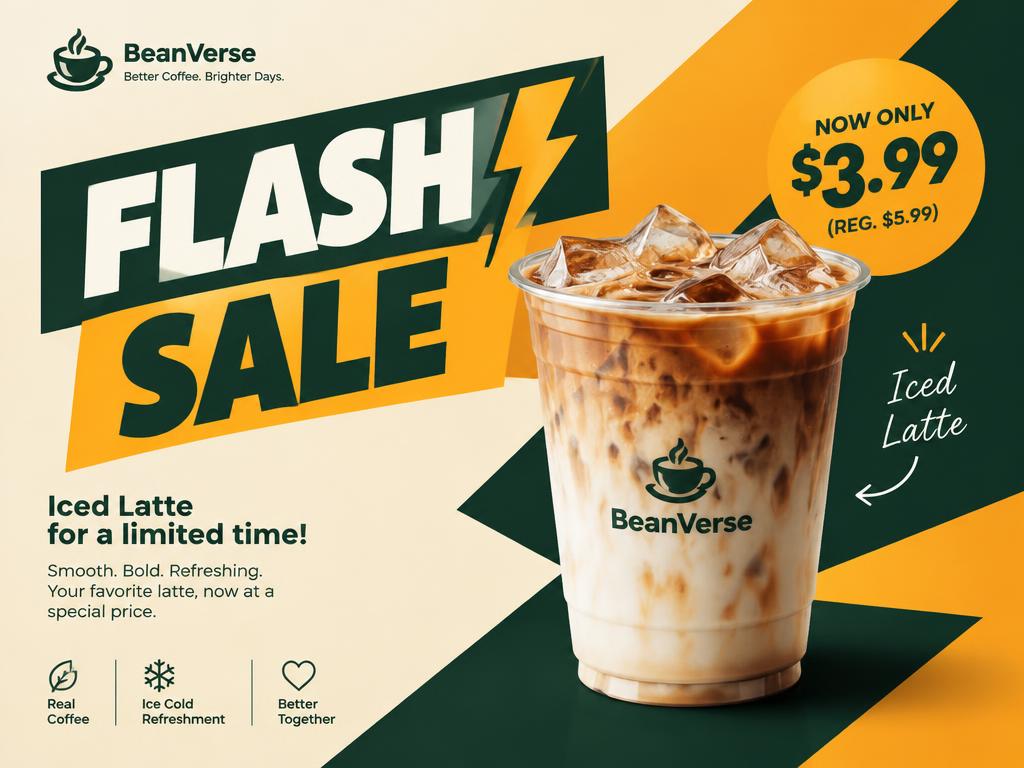 Example
It is the speed-focused variant of ChatGPT Images 2.5. The model generates and edits images from text prompts and reference photos in about five to ten seconds per render — fast enough that iteration stops being a budget decision and becomes a workflow. At the draft tier both variants feel instant; the heavier sibling only stretches its legs at 2K and above.
It shares the GPT Images studio with everything else here — sketches, annotations, up to 16 reference images, and full version history. Both models draw from the same credit balance, so exploring at Flare speed and finishing at Sunburst precision costs nothing but a click. Drafts, finals, and references live side by side.
It is built for creators who think in iterations: social teams testing ten thumbnails before lunch, designers sketching directions on a client call, writers prototyping covers mid-draft, and anyone whose best idea shows up at version seven. If volume drives quality, this is the model.
Same studio, two gears — Flare is the fast one.
An image every five to ten seconds at the lowest per-image cost on the platform. It is the default for drafts, variations, and anything you will iterate on — including every free-credit render.
It takes twenty-five to forty-five seconds per image and adds what final deliverables need: fine typography, layered graphics, reference-accurate portraits. Explore here, finish there.
Same prompt, both models — drag the handle to compare. At draft settings both returned in about ten seconds in our test; at 2K and high quality, Sunburst runs about a minute while Flare stays near ten seconds.
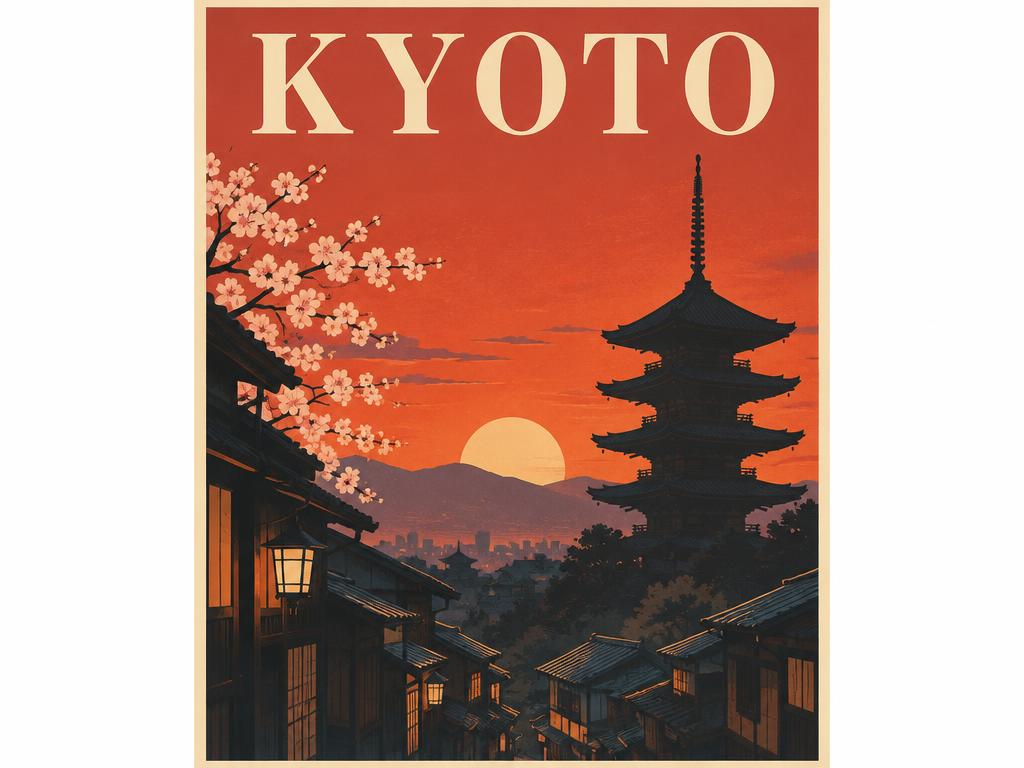
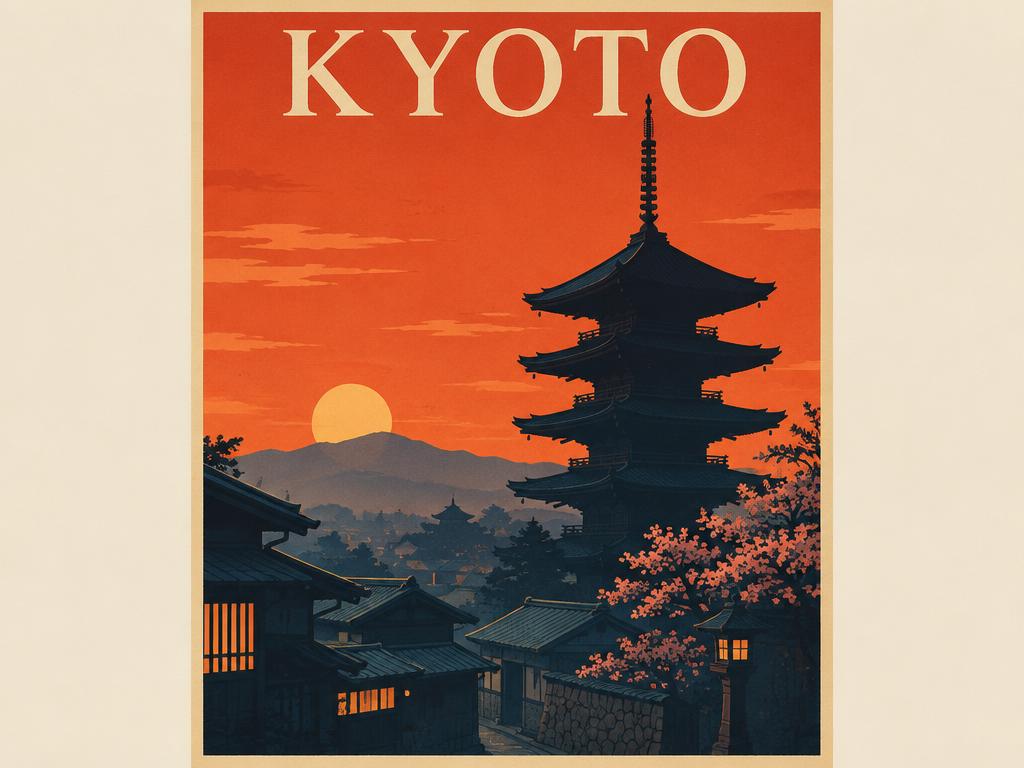
Rule of thumb: explore in Flare, finish in Sunburst — both live in the same form above.
The model selector is already set — Flare is the default on this page.
Write a prompt, draw a composition sketch, or drop up to 16 reference images — the form on this page is the full studio. The model selector is the one thing removed: it is locked to the fast model. Nothing else about the studio is locked.
Drafts belong at 1K and low quality — one credit each, seconds per attempt. Save 2K and 4K for the version that gets shipped. Queue position and a live timer show while each render runs.
Review the result, pin annotated edits, or feed it back as a reference. Iterations are the point; every version stays in your assets.
Change one thing per render. Prompt A/B tests read cleanly when a single variable moves — swap the lighting word, not the whole sentence, and compare the pair. The version strip keeps both attempts side by side for the verdict.
Draft at the cheapest tier. Low quality at 1K costs one credit and lands in seconds; only the approved direction earns a higher tier.
Promote the winner. When a draft is right, regenerate the same prompt in Sunburst for crisp text and fine detail — the handoff keeps every reference and annotation, and nothing about it is manual.
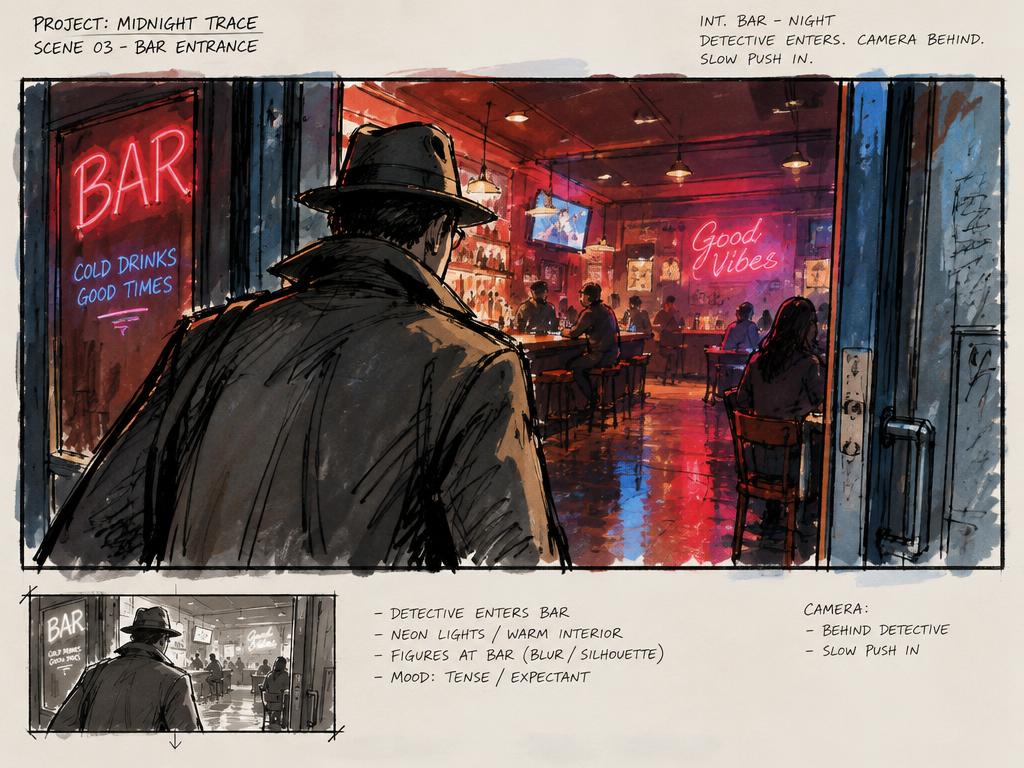
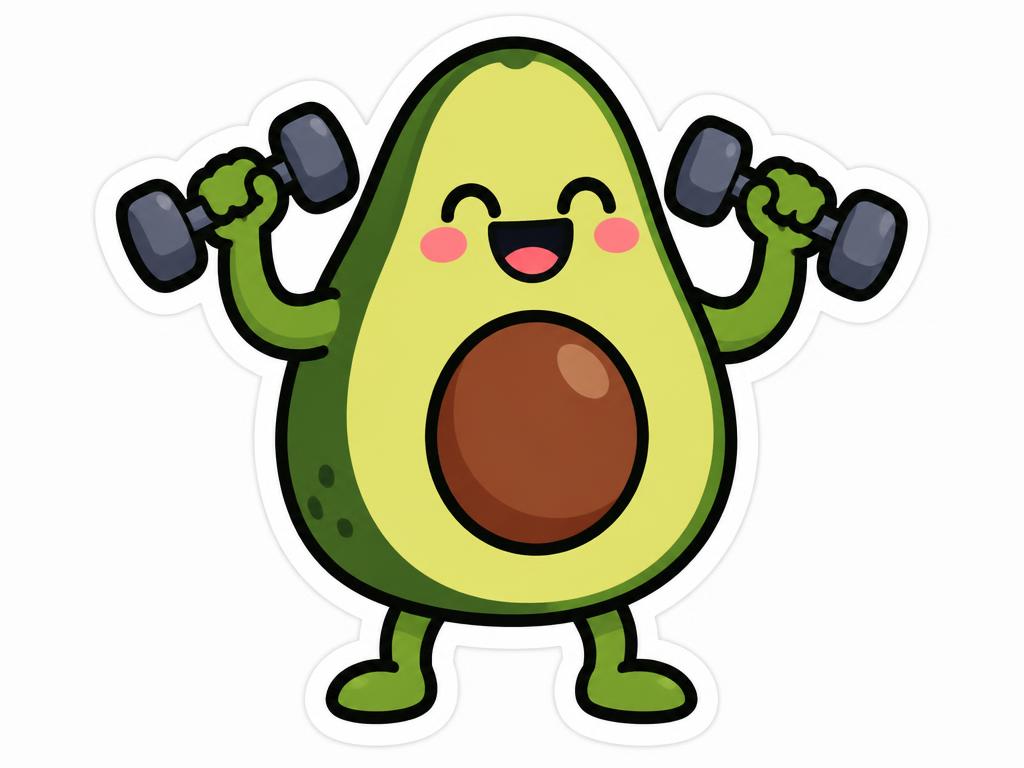
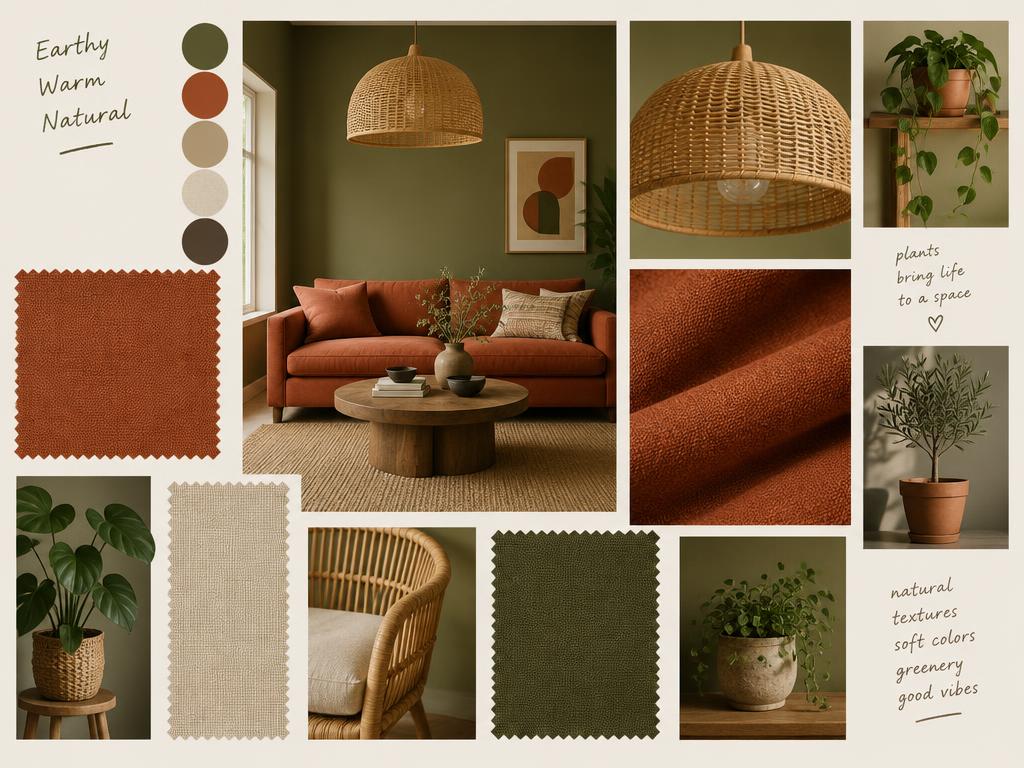
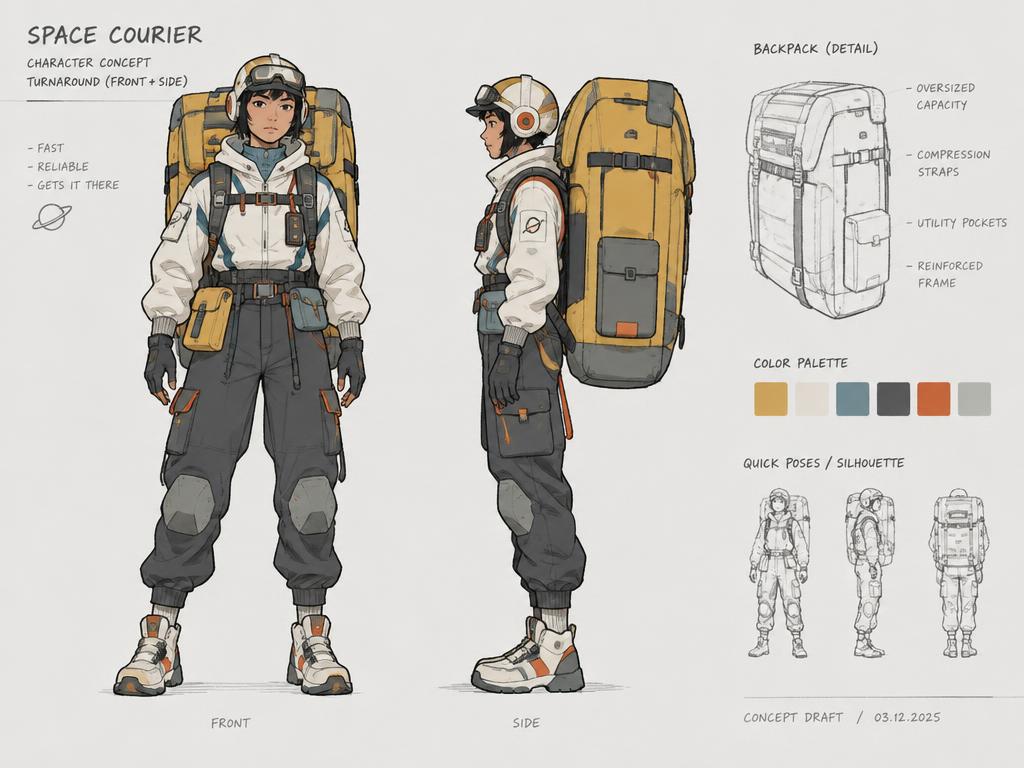
Every image below was generated with Flare on this site — draft-tier settings, real prompts, no retouching. Each caption names the speed advantage the picture proves.
Ten directions before the call ends — punchy, readable frames that A/B testing actually has time for.
Loose frames for pitches and pre-production, fast enough to redraw the shot while the room discusses it.
Character drafts with bold outlines for sticker packs, emotes, and merch sketches — perfect for testing which characters earn a full render.
Direction boards for interiors, events, and brand worlds — assembled while the brief is still warm, and rebuilt just as fast when the client changes their mind.
Pose and costume variations at conversation pace — silhouette first, polish later.
Flash-sale cards and announcement graphics drafted, compared, and picked in one sitting. The fastest model is the one you can afford to re-run.
Both are GPT Image 2.5 models with the same input — prompts, sketches, and up to 16 references. Flare renders in five to ten seconds at the lowest cost; Sunburst takes longer and adds precision for fine text and layered graphics. Both share the same balance, the same history, and the same form.
Yes — new accounts get free credits, and this is the cheapest way to spend them: a 1K low-quality render costs 1 credit. Failed renders refund automatically, so experiments never cost you. No credit card required.
It is the same model family tuned for speed. Drafts and everyday images are indistinguishable; where Sunburst pulls ahead is fine typography, intricate materials, and multi-layer layouts — the final-deliverable tier. If you cannot tell them apart at arm’s length, you needed Flare.
Five to ten seconds for a typical 1K render in our tests — about four times faster than the precision tier. Queue position and a live timer are shown while you wait, and multiple renders run concurrently.
When the draft is approved. Client deliverables, print, packaging, and anything with headline text earn the slower render; everything before that moment belongs at Flare speed. The swap keeps your prompt, references, and annotations intact.
From 1024px up to 4K with five quality tiers — though the fast workflow is happiest at 1K, where renders land in seconds and cost a single credit. Paid plans unlock 2K and 4K. Landscape, portrait, and square are all covered by the fifteen presets.
Yes. Every plan, including free credits, allows commercial use of your generations — campaigns, merchandise, client work. You own what you generate.
Free credits on sign-up. No credit card required. Finish the winner in Sunburst. Cancel anytime.